Aotearoa and beyond: standing strong in waiata and whakapapa
• May 25, 2026
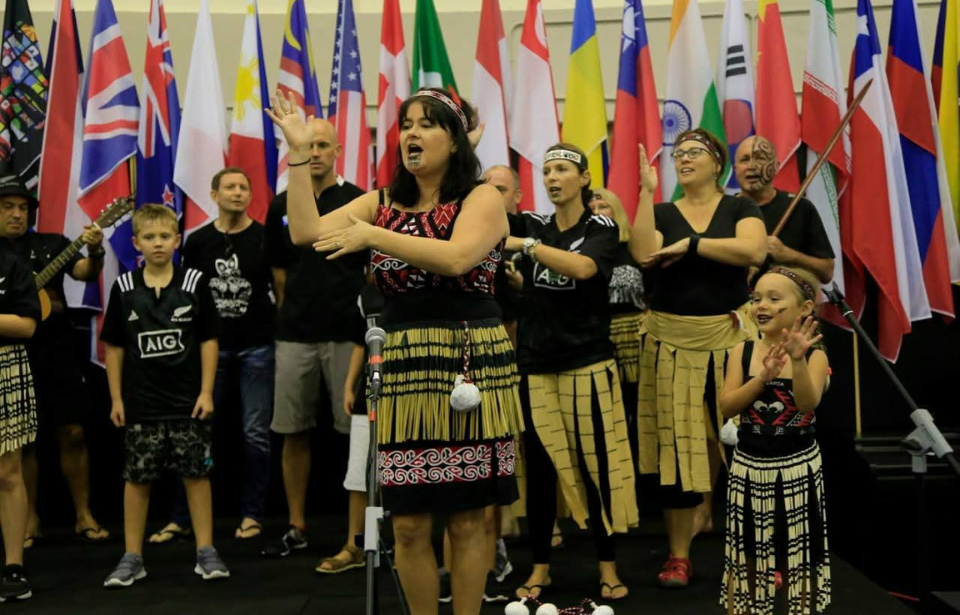
Rachel Erena Anne Fleury performing waiata in Malaysia. Photo: supplied
A New Zealand teacher working overseas is incorporating te reo Māori into her workplace and community - and she’s not the only one.
Rachel Erena Anne Fleury (Waikato Tainui, Ngāi Te Rangi, Ngāti Raukawa), head of the language and literature department at Shanghai Community International School, said waiata had always been important.
“Waiata is keeping culture alive . . . [it’s] the vehicle for passing it on.”
Within New Zealand, data shows more people are interacting with Māori culture, both locally and abroad.
According to Stats NZ, 18 per cent of the population in Aotearoa New Zealand identified as Māori as of June 2025.
As found in 2023, more than 200,000 Kiwis can speak te reo, an increase of 15 per cent since 2018.
Fleury has found people engaging in waiata across several different countries, including Malaysia, Tanzania, and now Shanghai, where she is based.
“Listen, immerse yourself as much as you can, even if it’s a lonesome journey.
“Te reo isn’t going anywhere,” she said.
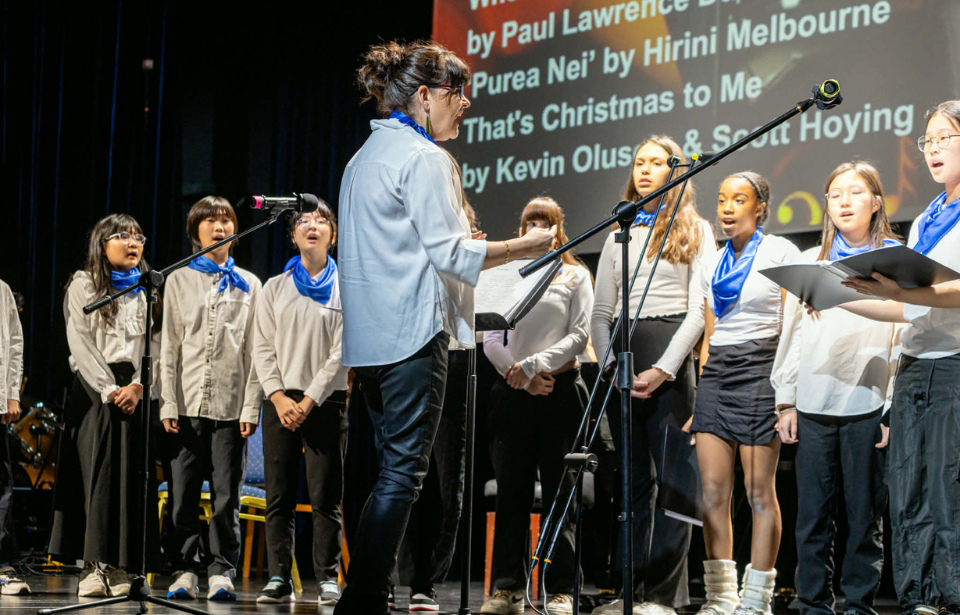
Rachel Erena Anne Fleury leading a choir performance “Purea Nei.” Photo: Rachel Erena Anne Fleury.
Ngāti Rānana London Club secretary Braxton Te Riini (Tūwharetoa ki Kawerau and Ngāti Porou) said waiata was a big part of the club's weekly hui.
“Waiata carry our identities, stories, and events that have happened," she said.
“The way we preserve our language is through performance, through practice, through repetition.
“[It’s] a place for our people back home from New Zealand, Māori and New Zealanders to reconnect.”
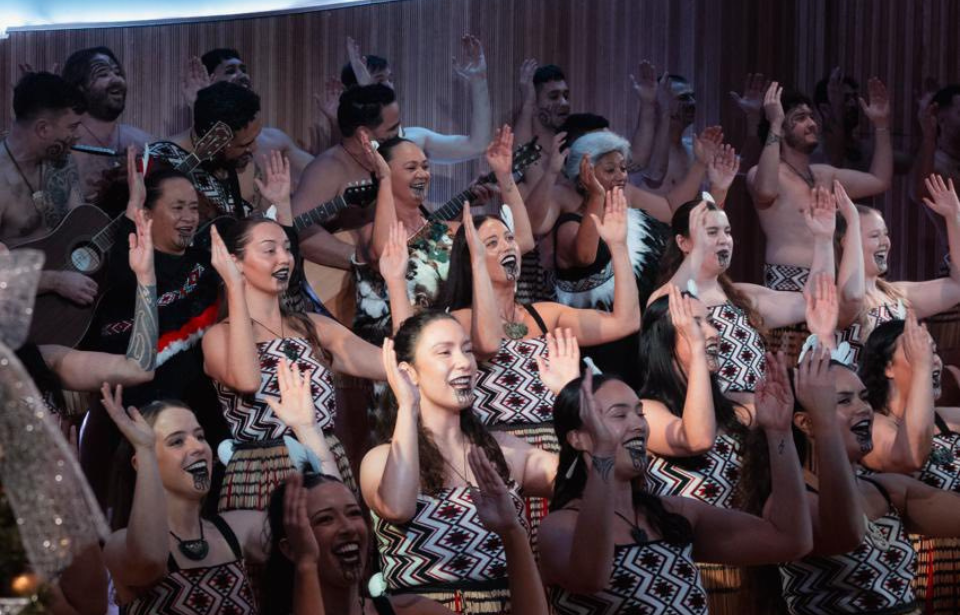
Ngāti Rānana London Club performing waiata. Photo: Ngāti Rānana London Club.
The Sydney Marae Alliance, in partnership with Cumberland City Council, is building the city's first Māori cultural centre, designed to provide space for whanau.
Meanwhile, Learn Māori Abroad was founded in 2018 and is based on Turtle Island in the USA, which offers classes in person and online to Māori living abroad.
Founder and director Amelia Butler (Ngātiwai, Ngāpuhi, Ngāti Awa) said having space to learn the language is important.
“It gives Māori and non-Māori living abroad access to connect with our culture, language, kapa haka and healing."
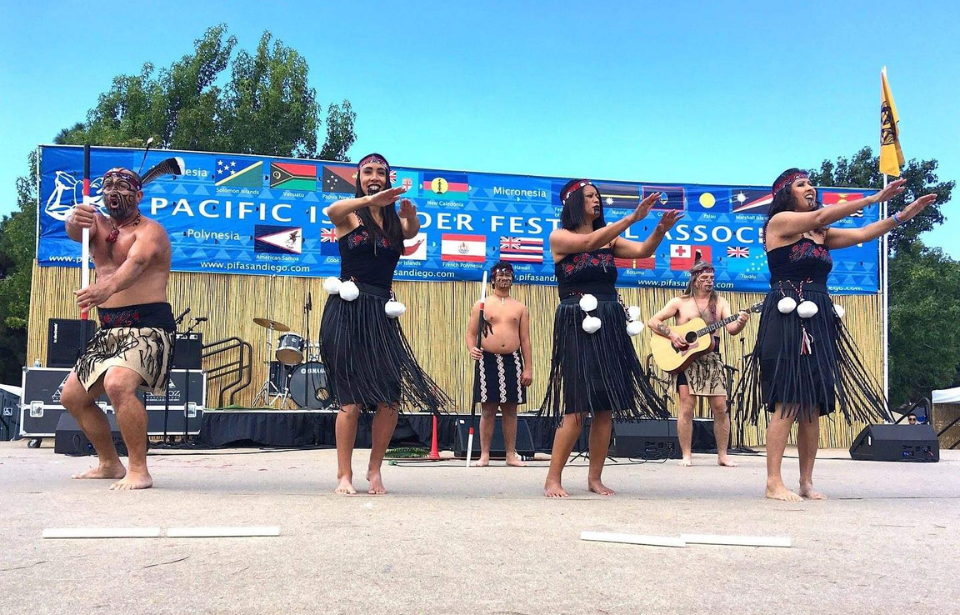
A Learn Māori Abroad kapa hapa group performing waiata ā-ringa at the San Diego Pacific Island Festival in 2019. Photo: Learn Māori Abroad.
History shows te reo Māori has fought to remain a commonly spoken language, and practising waiata has played a vital role in the revitalisation of te reo Māori.
Auckland student Henare Eilers (Te Arawa) said te reo was in steep decline in the early 1900s, but waiata was helping it revive.
“Waiata, to Māori, is something that we hold really close to our heart.
“Waiata really helped us . . . revive our language, but also bring our people back together.”
The owner of Waiata Mai Vocal Coaching, Hinekoia Tomlinson (Ngāti Hine, Whakatōhea, Ngāti Makerewai), expanded on this, saying everyone in iwi would engage in waiata.
“It wasn't for a few special people . . . it was the entire tribe, the entire hapū. It was a normal part of Māori life.
“Māori are reconnecting to their whakapapa . . . they are learning te reo and waiata, so they can use it inside the cultural practices on the marae, in their workplaces, for their whānau, for their grandkids, for their kids.
“[Waiata is] a way to learn more about te reo and to gain confidence to speak, sing and to restore the cultural practices that have been lost,” she said.
-----
Our journalists sometimes use AI tools which are checked by humans for accuracy.
AI was used to transcribe audio from the interview.
Entrepreneurial platform for migrant women hopes to help change negative narratives
Keesha Levesque • June 8, 2026
Entrepreneurial platform for migrant women hopes to help change negative narratives
Keesha Levesque • June 8, 2026