Moko kanohi reclaimed by new generations
• May 20, 2026
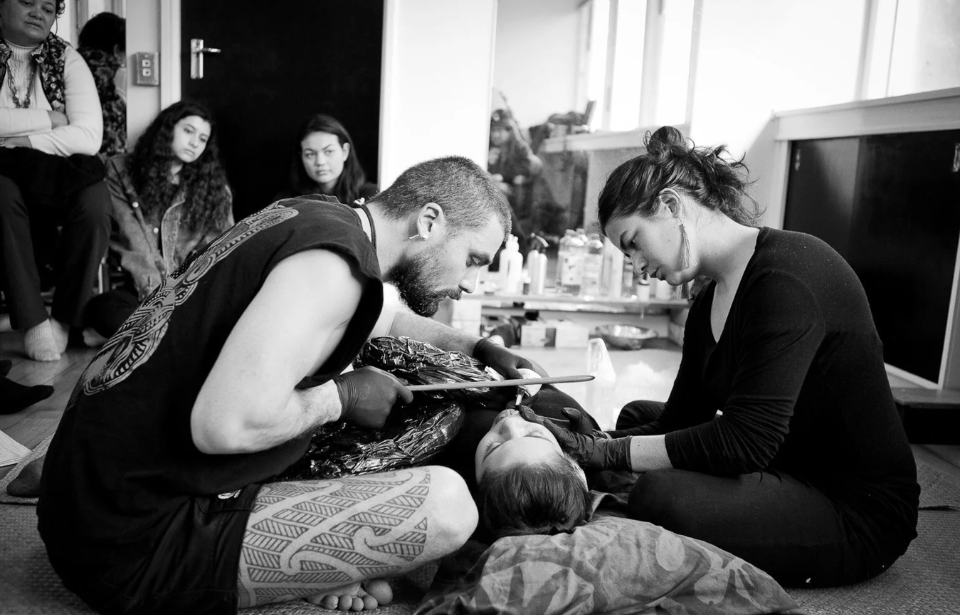
Mokonui-a-rangi Smith applying moko kauae. Photo: Supplied
Moko kauae and mataora are becoming increasingly visible across the country, and rangatahi are the ones leading the resurgence.
Across workplaces, universities and especially social media, young Māori are reclaiming an art that has been lost for generations.
Once marginalised after the effects of colonisation, moko kanohi (facial tattoos) are being embraced.
An author and professor at University of Auckland, Ngarino Ellis (Ngapuhi), says the reclamation is a reflection of the growing confidence among Māori.
“As our population grows, so too does our visibility. It is rangatahi who now want to show on their skin the commitment to their culture."
Ellis says moko has always had deep meaning, but facial moko, in particular, has been widely misinterpreted since the arrival of Europeans in Aotearoa.
“Those who wear moko take on a different set of understandings about their whakapapa and te ao Māori because it’s on the face.
“Those not blessed to be Māori often presume there are certain skills that tangata should have. It is not for Māori to educate non-Māori - we just need to keep taking the moko.”
Ellis welcomes the shift in conversation, saying the growing visibility of moko kanohi will encourage people to understand the history of the whenua and people who have maintained it.
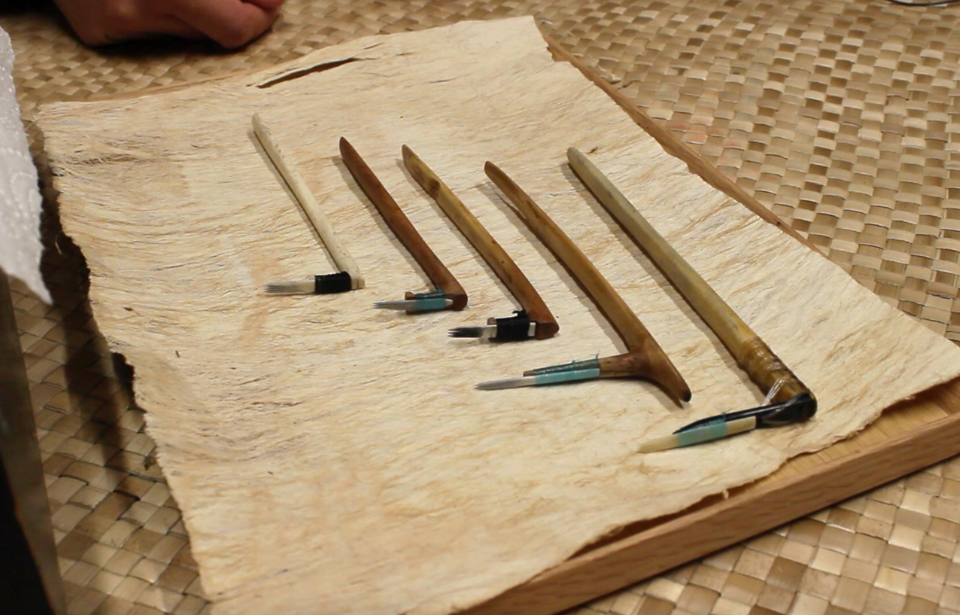
Uhi – the traditional tools used to apply tā moko. Often made from albatross bone. Photo: Crystal Gale
Ta moko artist and owner of Uhi Tapu, Mokonui-a-rangi Smith (Te Arawa and Tainui), says ta moko isn’t just about aesthetics.
“It's about the revival and protection of cultural knowledge, so it doesn't get lost.
“It is already an art form that died out, so we're piecing the art form back together. It only takes one generation to lose it.”
Smith describes the practice of the art as a way of rebuilding knowledge while reaffirming ideas of beauty and resisting westernised standards.
He says social media has helped this empowerment and given people the ability to voice their opinion.
“The idea around are you good enough? Who are you to wear this? There’s something fair in that. It protects the taonga from people just getting it without thinking about it.”
“Considering the responsibilities of it, those attitudes were also barriers to our people receiving.”
Smith says older generations felt their moko had to be earned, whether it was through status, age or academic accomplishment - although that’s not historically accurate.
Most would receive moko in their early teens as a mark of moving from childhood into adulthood, though this was sometimes not favoured.
“They were young teenagers, and most of them didn't want to receive. Some people ran away when they heard the tohu (cue) was coming. So there's plenty of elders who don’t have moko."
Smith says it's about freedom.
“It's about helping our people heal from trauma and heaviness. It's about beautifying our people.”
As moko kauae and mataora return to Māori faces, they act as a symbol of pride, culture and survival, no longer hiding or needing permission.
-------
Our journalists sometimes use AI tools which are checked by humans for accuracy.
AI was used to transcribe audio from the interview.


Entrepreneurial platform for migrant women hopes to help change negative narratives
Keesha Levesque • June 8, 2026
Entrepreneurial platform for migrant women hopes to help change negative narratives
Keesha Levesque • June 8, 2026