Call to boost spending on Mandarin in schools
• November 11, 2016
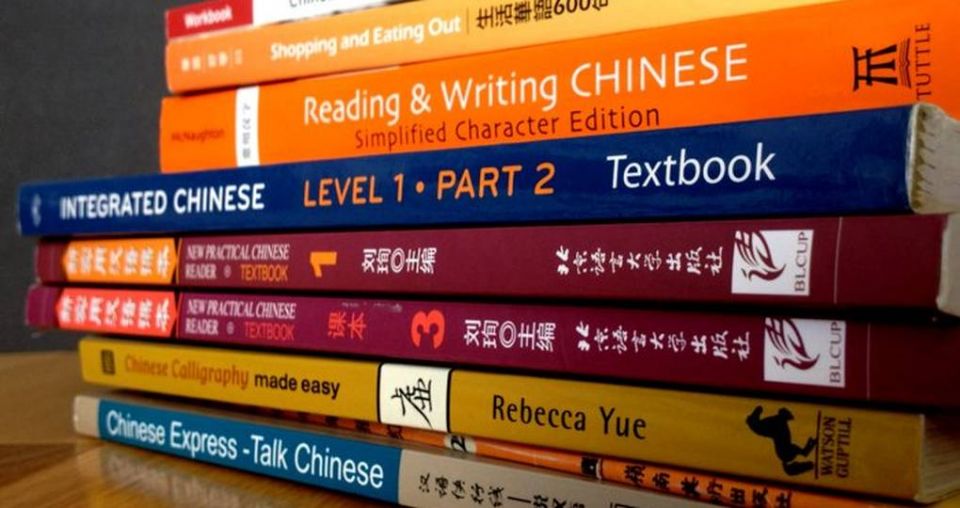
The number of students learning Mandarin in secondary schools is increasing, but still comparatively low. Photo: Supplied
Experts on China have called for the Government to boost spending on Mandarin language teaching and learning in New Zealand schools.
Mandarin teacher and international dean at Baradene College in Auckland, Paula Walsh, said although the Government is positive and supportive of Mandarin in schools, “the message is very slow to filter through”.
“It almost needs a marketing campaign to boost its profile,” she said.
Ms Walsh said the lack of interest in Mandarin in New Zealand is likely due to negative publicity surrounding the Chinese population when it comes to housing and immigration.
“[It] has a knock-on effect - the language is not seen as important or relevant or glamorous.”
Ms Walsh said a shortage of Mandarin teachers, perceived difficulty of the language, and lack of exposure to the culture, also account for the low interest in the language.
According to Tourism New Zealand, nearly 400,000 Chinese tourists are expected to enter the country in 2016, up 30 per cent from this time last year.
Duncan Campbell, former Chinese studies professor at Australian National University in Canberra, said New Zealand’s attitude towards the influx of Chinese tourists is “unhelpful”, and the Government needs to do more to promote the teaching and learning of Mandarin in New Zealand.
“The Chinese government is spending millions of dollars promoting Chinese teaching in New Zealand. That’s a lot more than what our government is doing,” he said.
“This is not just a temporary blip of a million Chinese people coming to New Zealand for tourism. The shift is both permanent and fundamental and we haven’t yet grasped either of those dimensions,” Mr Campbell said.
Tony Browne, chairman of both the NZ Contemporary China Research Centre and Confucius Institute of Victoria University in Wellington, said New Zealanders need to learn Mandarin to work in New Zealand, not just in China.
“We’ve got an industry that’s going to have to grow to accommodate the rapidly increasing number of Chinese visitors. There’s going to be a great demand for New Zealanders in New Zealand speaking Mandarin.”
Mr Browne, who was the former New Zealand ambassador to China from 2004 to 2009, said there is a “dangerous” perception in New Zealand that we already have enough Chinese residents to cater to the needs of the rapidly increasing numbers of Chinese tourists.
“Relying solely on the domestic Chinese community to be the number one point of interaction with China opens us up to a case of narrow communication channels. We need to have people that are able to operate in Chinese,” Mr Browne said.
Mr Campbell echoed Mr Browne’s concerns, saying that relying on English speaking Chinese residents to do the work for us is “outsourcing our future”.
Ms Walsh said as her students become used to Mandarin, they really enjoy learning the language and aspects of the Chinese culture.
“By Year 10 the students are what I would call ‘Sinophiles’ - they love learning the language and have also realised the relevance of learning it.”
According to a report by the Ministry of Education, the number of students learning Mandarin in secondary schools is increasing, but is still comparatively low.