NZ backpacker accommodation shifts to hybrid style as youth travel demand grows
• May 20, 2026
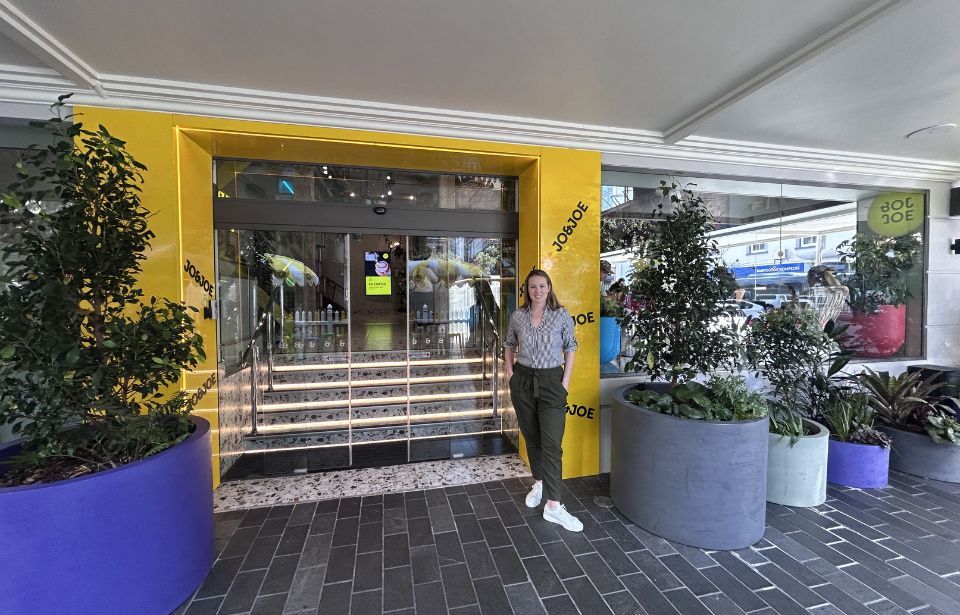
Jo and Joe Auckland manager Kristen Pirie. PHOTO: Gaby Lilley.
New Zealand’s backpacker accommodation industry is evolving as operators upgrade hostels to meet visitor expectations.
Research by Auckland Unlimited found guest nights in backpacker accommodation had increased 20.9 per cent in January 2026 on the same period in 2025.
New accommodation Jo and Joe Auckland opened on Fort Street in November last year, after its owners saw a gap in the market.
Manager Kristen Pirie says there is a demand for change, describing the business as “hybrid hospitality” – a blend between a hotel and a hostel.
“Youth visitors are 33 per cent of our visitor market coming into New Zealand.
“People are spending less, but still wanting a great service experience,” she says.
Jo and Joe offers shared and private rooms, communal spaces and a rooftop bar, similar to a hotel but at the cost of a hostel.
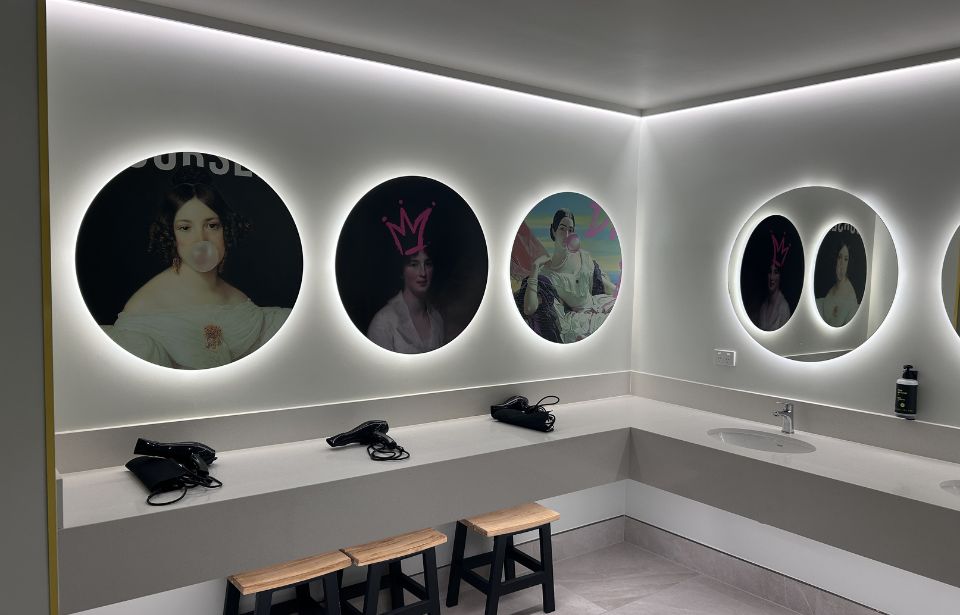
Jo and Joe offers the shared spaces and affordability of hostels with the comfort of a hotel. PHOTO: Gaby Lilley.
Pirie says more hybrid-style accommodation will emerge across New Zealand as demand continues to grow.
“Properties like this are very few and far between in New Zealand, but I think you will see a lot more of them crop up.”
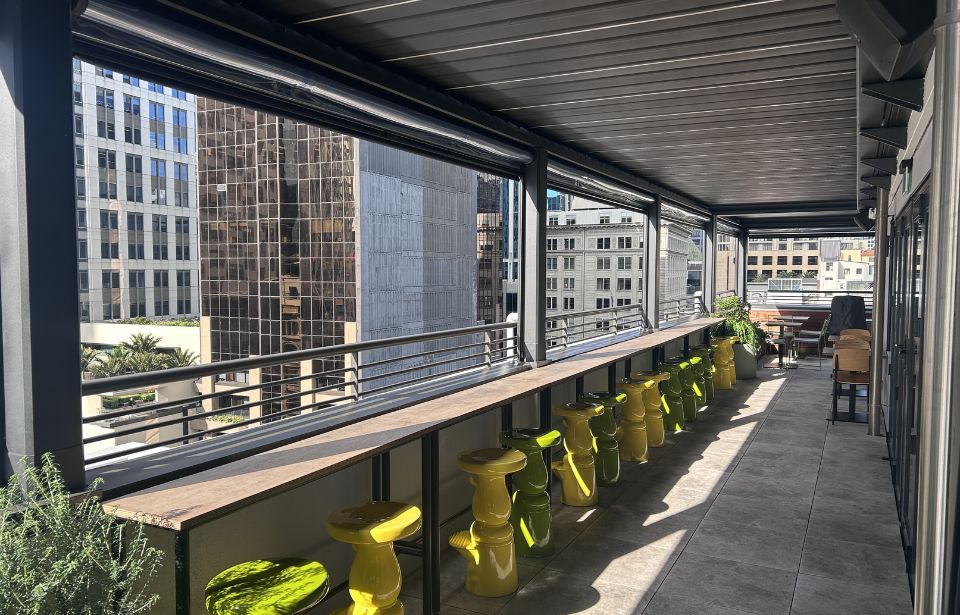
Jo and Joe’s rooftop bar on Fort Street. PHOTO: Gaby Lilley.
Chair of the Backpacker Youth and Adventure Tourism Association (BYATA) Haydn Marriner says the Covid-19 pandemic allowed for a “refresh” of the hostel accommodation sector, pushing outdated spaces out.
“I’m not saying the mattresses had been around since the 70s, but the curtains and carpet definitely had.”
Marriner says youth visitors are a key market because they stay longer and contribute more to the New Zealand economy.
“Youth travel, we think it's the key pillar in a lot of ways that underpin our entire tourism industry,” he says.
“[They are the] biggest spenders, best marketers, early adopters . . . key influencers in global popular trends.”
He says young people spend roughly $200 more per person than the next older demographic, and the average young person visits seven to nine regions, more than double other age groups.
The investment in new accommodation spaces comes from seeing an increase in youth travel over the Tasman.
“Currently, there's over 300,000 working holiday travellers in Australia. So that's quite literally the population of the entire Waikato cruising around Australia, [aged] 18 to 30.
“The real hard part for youth travel is trying to get young people out of Europe and the USA because it's so far away. We don't have to do that anymore, you're only in Australia.”
Marriner says attracting young visitors has long-term benefits for the country’s tourism industry.
“If we can attract an 18 to 30-year-old to visit New Zealand, particularly on a working holiday visa, [our] data shows that we then get three more visits in their lifetime.”
-----
AI was used to transcribe audio from interviews.

Entrepreneurial platform for migrant women hopes to help change negative narratives
Keesha Levesque • June 8, 2026
Entrepreneurial platform for migrant women hopes to help change negative narratives
Keesha Levesque • June 8, 2026